
February 12, 2026
The archaeological site of Pisac, the architectural gem of the Sacred Valley
The archaeological site of Pisac is an essential stop on your trip through Cusco. Not only because it holds some of the most impressive constructions of the Inca legacy, but also because, surrounded by vast nature, it offers magical views where you’ll experience a dream while exploring it. Are you planning to visit Pisac? Discover all the information you need to know before embarking on your journey.
General Information
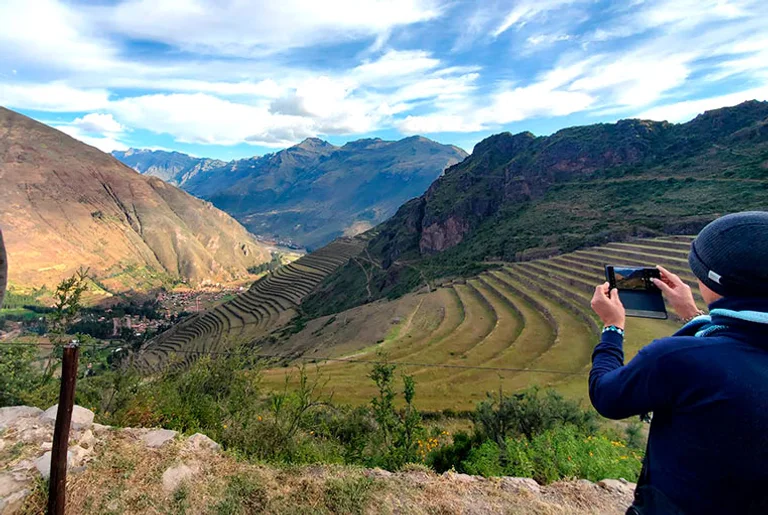
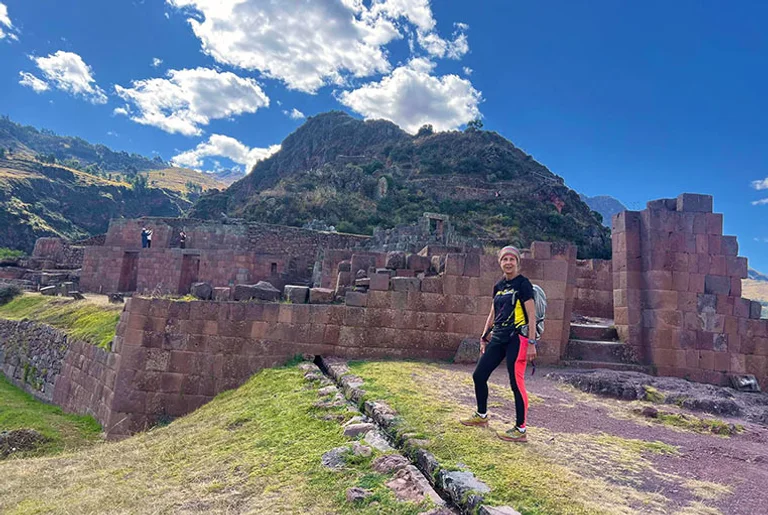
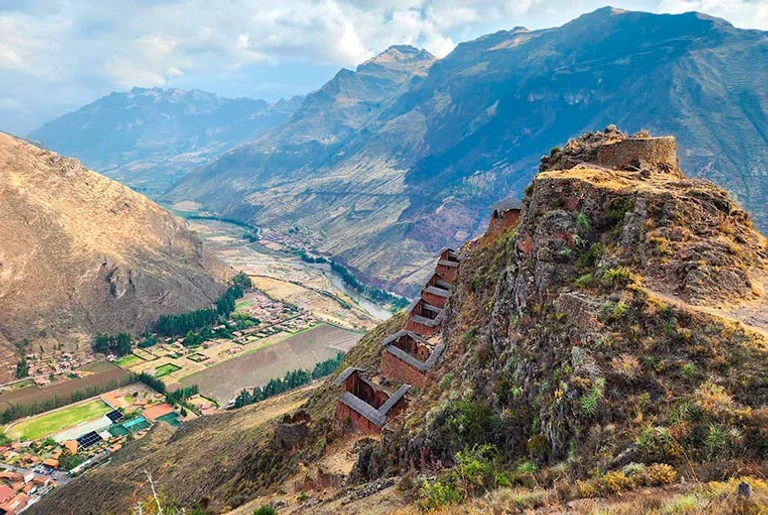
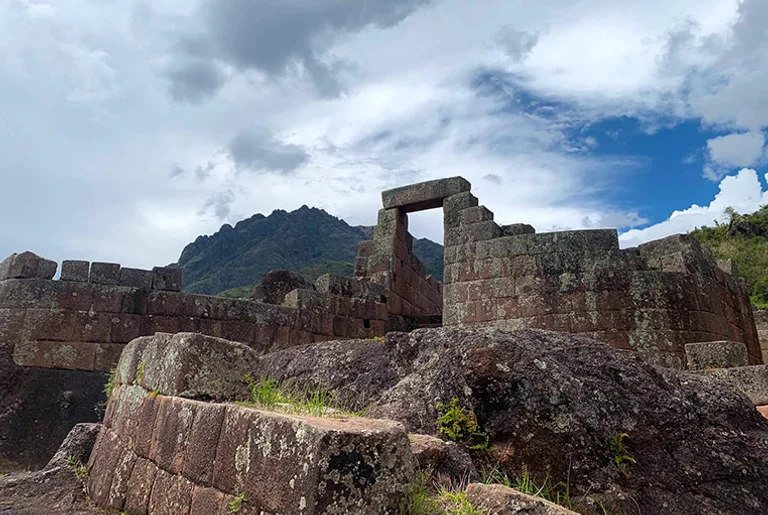
Pisac is a remnant of the great urban and architectural planning of the Inca culture. Built at the top of a mountain, this archaeological site covers four square kilometers, where temples, palaces, watchtowers, water channels, agricultural terraces, and buildings that served as homes and storage spaces can be found.
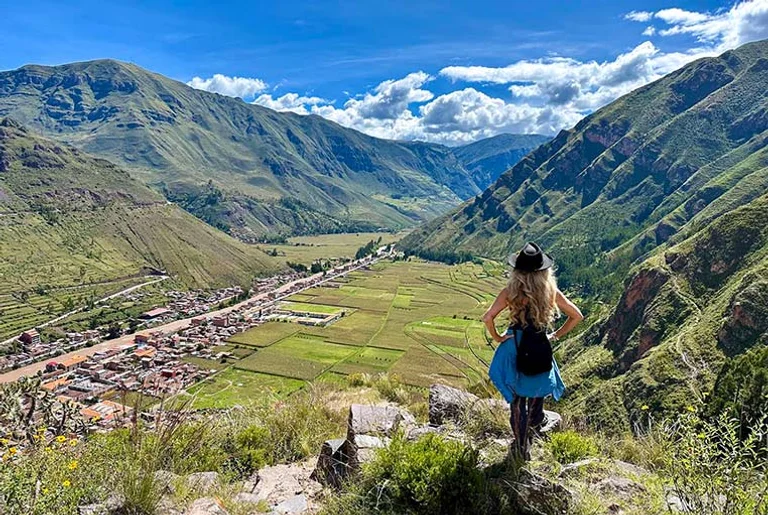
The site is divided into two areas: the ancient one, located at the top of the mountain, forming the archaeological center, and the modern one, located in the valley, dating from the colonial era.
While exploring Pisac, you can appreciate five neighborhoods located in different geographical zones, each with distinct construction features. These include: the neighborhood of QaschisRaqay, the neighborhood of K’allaQ’asa, the neighborhood of Intihuatana, the neighborhood of Pisaq’a, and the neighborhood of Tianayuc.
Among the most important constructions within the archaeological site of Pisac is the famous Intihuatana, a stone structure believed to function as a sundial. A similar structure can be found in Machu Picchu, highlighting the importance of this mystical work.
During the Inca era, Pisac was home to one of the largest cemeteries in the Tahuantinsuyo, but during the Spanish invasion, it was looted, leaving only ruins that can be appreciated today.
Where is Pisac?
The archaeological site of Pisac is located in the district of the same name, in the province of Calca, 33 kilometers from the department of Cusco (1 hour by car).
The approximate altitude of Pisac’s summit is 3,300 meters above sea level, where panoramic views of the entire Sacred Valley can be enjoyed, surrounded by mountains, snow-capped peaks, agricultural fields, and a great diversity of Andean flora and fauna.
Tickets and Prices
To visit the Pisac archaeological site, you must purchase the partial tourist ticket of Cusco for circuit 3, which can be obtained in person in the city or virtually through the Boletocusco website.
By purchasing this ticket, you will also gain access to other tourist destinations in the Sacred Valley, such as the Ollantaytambo archaeological fortress, the Chinchero archaeological site, and the circular terraces of Moray.
The partial Cusco tourist ticket for circuit 3 costs $29 for foreigners and $19 for Peruvians. Additionally, the validity of this ticket is two days.
Which ticket is best for visiting Pisac?
The best ticket for visiting the Pisac archaeological site is the comprehensive Cusco tourist ticket, which also includes entry to ten archaeological sites (in Cusco, the Sacred Valley, and the Southern Valley), five museums in the city, and one cultural center. The price for foreigners is $50, while for Peruvians, it is $30 (students of all nationalities pay $30). One of the major benefits of the comprehensive tourist ticket is that it is valid for a total of 10 days.
Visiting Hours
The Pisac archaeological site is open daily from 7:00 AM to 5:00 PM.
Pisac is part of the classic tour of the Sacred Valley, so it experiences higher tourist traffic in the morning. If you’re dedicating your whole day to exploring Pisac, it is recommended to visit during the early afternoon hours for a more immersive and peaceful experience.
Recommended Route
Since Pisac is located within the Sacred Valley, you can easily combine your visit with other archaeological sites. If you purchased the partial Cusco tourist ticket for circuit 3, you will also have access to the most popular destinations, offering a much more complete tour.
- Start of the tour: The ideal route to explore Pisac, if you purchase the tourist ticket for Circuit 3, begins in the morning from the city of Cusco heading towards Pisac in the Sacred Valley. Many popular tours include this route (Pisac, Ollantaytambo, Moray, Chinchero, and also add Maras) in a tour of approximately 12 hours.
- Pisac Archaeological Site: The first stop is the Pisac Archaeological Site, the massive Inca city known for its agricultural terraces and its structures on top of the Apu Intihuatana mountain.
- Ollantaytambo Archaeological Park: The next stop is Ollantaytambo, the Inca archaeological fortress with panoramic views of the entire Sacred Valley from the top of the two mountains that form it.
- Moray Archaeological Complex: The journey continues towards the Moray archaeological complex. Here, there are three large circular terraces of different sizes, which in Inca times served as agricultural laboratories due to the variety of microclimates at each level.
- Chinchero Archaeological Site: The last stop on the Sacred Valley tour with the tourist ticket for Circuit 3 is Chinchero. This site contains various structures and buildings alongside agricultural terraces with beautiful landscapes. Additionally, you can visit the ancient temple of Inca Túpac Yupanqui, which is located next to the archaeological site.
- End of the tour: The ideal tour to explore Ollantaytambo ends in the evening with the partial tourist ticket for Cusco in Circuit 3. Remember, this ticket is valid for two days, allowing you to distribute the destinations in the way that best suits you.
Tips for Your Visit
- Exploring Pisac is an easy journey, with few high areas that require climbing stairs, but for the most part, the terrain is relatively flat.
- Alongside your visit to the Pisac archaeological site, it is highly recommended to explore the craft market in the town. Walking through its streets is to be surrounded by traditions and colors that add greater value to your experience.
- Traveling to the Sacred Valley with the Cusco tourist ticket immerses you in breathtaking landscapes filled with mountains, snow-capped peaks, rivers, agricultural fields, and a wide variety of Andean flora and fauna.
- Pisac is just a one-hour drive from Cusco, making it an easy stop on any day you prefer.
- The total tour of the archaeological site takes about 1 hour and 30 minutes, as there are many areas to explore in detail.
- The Pisac archaeological site is at 3,300 meters above sea level, while the town is at 2,974 meters above sea level. It’s an ideal place to acclimatize during your first days in Cusco. Remember to do light activities to avoid altitude sickness.
- Always carry a rain poncho or waterproof clothing, as the weather in Cusco and the Sacred Valley can be unpredictable.
- Combine your trip to Pisac with other archaeological destinations in the Sacred Valley, such as Ollantaytambo, Chinchero, or Moray. These sites are included in most classic tours of the valley.
- Remember that with Boletocusco, you can purchase the full Cusco tourist ticket as well as partial tickets for each of the three circuits.
Frequently Asked Questions
1. Why should I include Pisac in my trip to Cusco?
We recommend visiting Pisac because it is one of the best-preserved Inca archaeological sites of the ancient Tahuantinsuyo empire. The historical tour combines impressive architecture and natural landscapes, making the visit a very complete experience.
2. Where is the Pisac archaeological site located?
Pisac is located in the district of the same name, in the province of Calca, about 33 kilometers from the city of Cusco. The drive takes approximately one hour, making it an accessible adventure.
3. What types of constructions can I see in Pisac?
During the tour, you’ll see temples, palaces, towers, agricultural terraces, water channels, and ancient residential and storage buildings, showcasing the Inca’s high level of urban planning.
4. What is the Intihuatana and why is it so important?
The Intihuatana is a stone structure believed to have served as a solar clock and ceremonial center. Its presence in Pisac, similar to Machu Picchu, highlights the site’s spiritual and astronomical importance.
5. What ticket do I need to enter the Pisac archaeological site?
To enter the Pisac archaeological site, you must purchase the partial Cusco tourist ticket for Circuit 3. This ticket is required and can be purchased in person or online through Boletocusco.
6. What other places can I visit with the Circuit 3 tourist ticket?
With the Cusco tourist ticket for Circuit 3, you’ll also have access to Ollantaytambo, Chinchero, and Moray, allowing you to organize a more complete tour of the Sacred Valley’s main attractions.
7. How much does the partial Cusco tourist ticket cost?
The ticket costs approximately 29 dollars for foreign tourists and 19 dollars for Peruvian citizens. It is valid for two days, offering flexibility to distribute the destinations.
8. What is the best time of day to visit Pisac?
If you’re looking for a quieter experience, we recommend visiting in the afternoon. In the morning, there tends to be more tourist traffic due to classic Sacred Valley tours.
9. How much time do I need to explore the archaeological site?
The complete tour takes approximately 1 hour and 30 minutes, allowing you to explore the various sectors and enjoy the panoramic views of the Sacred Valley.
10. Can I combine Pisac with other destinations in one day?
Yes, Pisac is part of the classic Sacred Valley tours. It’s common to combine it with Ollantaytambo and Chinchero for a full-day experience.