
February 5, 2026
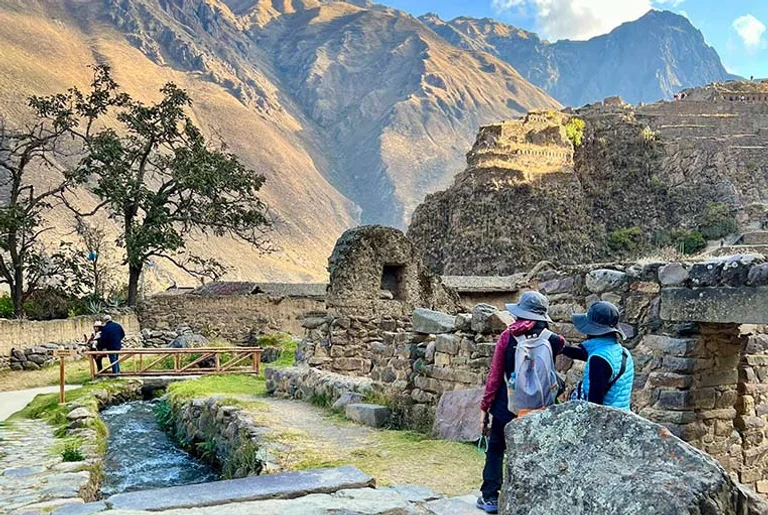
Ollantaytambo, the Inca Archaeological Fortress
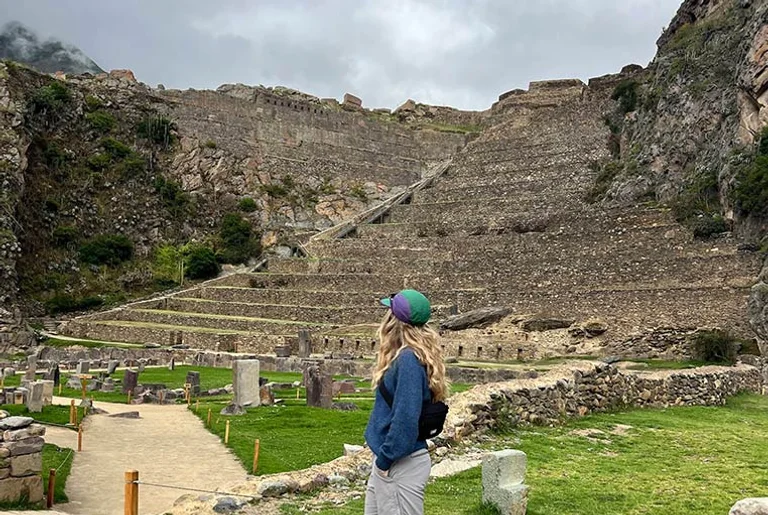
One of the most impressive constructions of the Inca culture is the Ollantaytambo fortress, which is built on two mountains in a strategic location in the Sacred Valley. During your visit, you can explore well-preserved structures and remnants, as well as enjoy breathtaking landscapes throughout the site. Learn more about Ollantaytambo, the living Inca city.
General Information
The Ollantaytambo archaeological fortress was built with the purpose of serving as a military, religious, administrative, and agricultural complex. It was also an important city that housed vast food storage, as well as astronomical observation sites.
The urban planning of Ollantaytambo remains almost intact. Walking through the town, located next to the fortress, allows you to appreciate each trace of this still-living Inca city, considered the best-preserved of all the legacy of the Tahuantinsuyo.
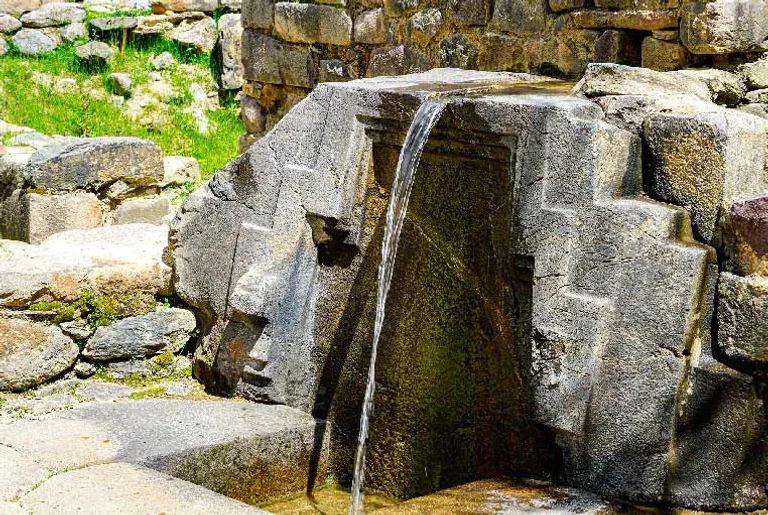
Among the most important constructions in the area, you can visit: the Royal House of the Sun, the Temple of the Sun, the Monumental Gateway, the Hall of the 10 Niches, and the Ñusta’s Bath.
The total area of the Ollantaytambo archaeological fortress is 34,800 hectares, covering areas filled with agricultural terraces, irrigation channels, qolqas (storage warehouses), tambos (administrative centers), wakas (sacred places), temples, roads, houses, plazas, among others.
Exploring the entire archaeological site can be a bit exhausting, as there are many steps to climb in order to explore each sector of Ollantaytambo, so it’s ideal to do it at a relaxed pace, enjoying each historical construction.
Where is Ollantaytambo?
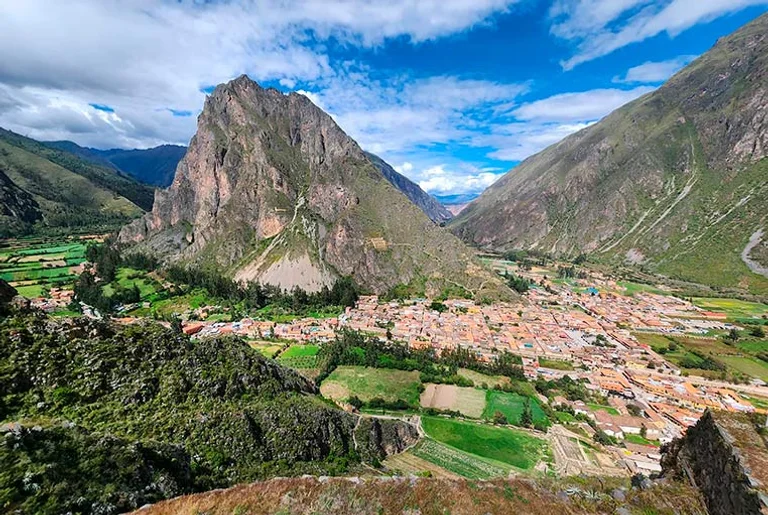
The Ollantaytambo Archaeological Park is located in the district of the same name, in the province of Urubamba, 58 kilometers from the city of Cusco (a 1 hour 45-minute drive).
It is located at an altitude of 2,792 meters above sea level. Reaching the top of the fortress involves an even greater altitude, but you’ll also enjoy some of the best landscapes in the Sacred Valley, along with historical buildings.
Tickets and Fees
To visit the Ollantaytambo archaeological fortress, you need to purchase the Cusco Tourist Ticket for Circuit 3, which can be bought in person in the city or virtually on the Boletocusco website.
Purchasing this ticket also includes entrance to other key tourist sites in the Sacred Valley, such as: the Pisac archaeological center, the Chinchero archaeological site, and the circular terraces of Moray.
The partial Cusco Tourist Ticket for Circuit 3 costs 29 dollars for foreigners and 19 dollars for Peruvians. Additionally, this ticket is valid for two days.
Cusco Integral Tourist Ticket to visit Ollantaytambo
To visit the Ollantaytambo fortress, you can also purchase the Cusco Integral Tourist Ticket, which also includes access to ten archaeological sites (in Cusco, the Sacred Valley, and the Southern Valley), five museums in the city, and one cultural center. The price of the ticket for foreigners is 50 dollars and for Peruvians 30 dollars (students of any nationality pay 30 dollars). Another great benefit of the integral tourist ticket is that it is valid for 10 days in total.
Visiting Hours
The Ollantaytambo archaeological park is open from Monday to Sunday, from 7:00 AM to 5:00 PM.
Visiting Ollantaytambo is a must on your trip to Cusco. The best time to visit is early in the morning to enjoy better weather and explore the site with fewer tourists.
Recommended Tour
When traveling to Ollantaytambo, you can combine your experience with many other nearby tourist destinations in the Sacred Valley. By purchasing the Cusco Tourist Ticket for Circuit 3, you will have access to the main destinations, allowing for a more complete journey.
- Tour Start: The ideal tour to explore Ollantaytambo, with the Circuit 3 Tourist Ticket, begins in the morning from the city of Cusco, heading towards Pisac in the Sacred Valley. Many popular tours cover this route (Pisac, Ollantaytambo, Moray, Chinchero, and often add Maras) in a nearly 12-hour journey.
- Pisac Archaeological Center: The first stop on the tour is the Pisac archaeological center, a massive Inca citadel known for its agricultural terraces and stone religious structures.
- Ollantaytambo Archaeological Park: Next, the tour continues to Ollantaytambo, the archaeological fortress that dominates the entire Sacred Valley from the top of two mountains. It is ideal to explore this site along with the town of Ollantaytambo, which retains its original structure from the Tahuantinsuyo era.
- Moray Archaeological Complex: Afterward, the journey continues to the Moray archaeological complex. Here, you will find three enormous circular terraces of varying sizes, which were used as agricultural laboratories due to the different microclimates found on each level.
- Chinchero Archaeological Site: To conclude the Sacred Valley tour with the Circuit 3 tourist ticket, you will visit the Chinchero archaeological site, along with the historic temple of the Inca Tupac Yupanqui.
- End of the Tour: The tour concludes in the evening, offering a comprehensive way to explore Ollantaytambo and make the most of the Circuit 3 tourist ticket. Remember that this ticket is valid for two days, so you can spread out your visits as you prefer.
Tips for Your Visit
- When visiting the Ollantaytambo archaeological fortress, we recommend taking time to explore the town as well. Its streets preserve original structures from the Tahuantinsuyo era, which is why it is also called the “living city of the Incas”.
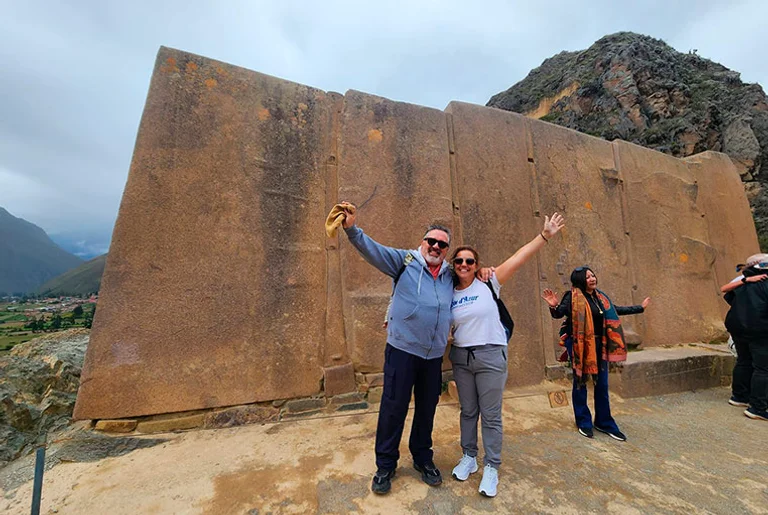
- Reaching the top of the mountains that form the Ollantaytambo archaeological site means not only being able to appreciate the monoliths that make up the Temple of the Sun, but also being surrounded by some of the best views of the Sacred Valley.
- Ollantaytambo is also home to the most important train station for reaching Machu Picchu. So, if you’re planning a trip to this wonder of the world, be sure to make a stop to explore the archaeological remains at this location.
- The full tour of the archaeological fortress takes over an hour. There are many steep sections, so it is recommended to take it slowly, making stops to appreciate each Inca structure.
- The town of Ollantaytambo is located at approximately 2,792 meters above sea level, making it an ideal place to acclimatize during your trip to Cusco. Be sure to do light activities during the first few days of your trip to avoid altitude sickness.
- Combine your trip by visiting other archaeological destinations in the Sacred Valley, such as Pisac, Chinchero, and Moray. These sites are included in classic Sacred Valley tours.
- Trips to tourist destinations are more enjoyable with a professional guide, as they provide historical information and ensure you have a safe and enriching experience.
- Remember that with Boletocusco, you can purchase the Cusco Integral Tourist Ticket, as well as the partial tickets for each of the three circuits. Book now and experience unforgettable moments!
Frequently Asked Questions
1. What is the Ollantaytambo archaeological fortress?
Ollantaytambo is one of the most important archaeological sites of the Inca culture. This place was a military, religious, administrative, and agricultural center, and today it preserves original structures that allow a better understanding of the organization and lifestyle of the Tahuantinsuyo.
2. Where is Ollantaytambo located?
Ollantaytambo is located in the province of Urubamba, about 58 kilometers from the city of Cusco. The journey by car takes approximately 1 hour and 45 minutes, offering spectacular views of the Sacred Valley throughout the trip.
3. Why is Ollantaytambo considered a “living Inca city”?
Because its urban planning remains almost intact. As you walk through its streets, you can see original channels, walls, and houses that are still part of the daily life of the town of Ollantaytambo.
4. What are the most important constructions in Ollantaytambo?
During your visit, it is essential to see the Temple of the Sun, the Royal House of the Sun, the 10 Niches Chamber, the Monumental Gateway, and the Ñusta Baths. We recommend touring these sites slowly to appreciate every architectural detail.
5. How much time is needed to tour Ollantaytambo?
The tour of the archaeological fortress takes an average of over an hour. We suggest allocating extra time to rest and enjoy the scenery, as the path includes many stairs and uphill sections.
6. What are the visiting hours for the Ollantaytambo archaeological park?
The Ollantaytambo archaeological park is open daily from 07:00 AM to 05:00 PM. It is highly recommended to arrive early in the morning to enjoy more stable weather and fewer visitors.
7. What ticket do I need to enter Ollantaytambo?
To enter, you need to purchase the partial Cusco Tourist Ticket for Circuit 3. This ticket will allow you to access not only Ollantaytambo but also other important Sacred Valley sites, such as Pisac, Moray, and Chinchero.
8. Where can I buy the Cusco Tourist Ticket?
You can purchase it in person in Cusco or online through Boletocusco. We recommend buying it in advance to better organize your itinerary.
9. Can I combine the visit to Ollantaytambo with a trip to Machu Picchu?
Yes, because Ollantaytambo has the main train station to Machu Picchu. Make a stop at the Ollantaytambo archaeological fortress before continuing your journey to the world wonder for an enriched cultural experience.
10. Is the entry to the Ollantaytambo archaeological park free for Peruvians?
No, entry is free only for Cusco residents. Peruvian nationals have a discount on the partial ticket for Circuit 3, as well as on the full Cusco Tourist Ticket.